
Understanding Long-Term Effects of Traumatic Brain Injury and How Regenerative Medicine Can Help
Saint Petersburg, United States – March 2, 2026 / Stemedix /
Saint Petersburg, FL – Stemedix, a leader in regenerative medicine, provides patients with diagnosed traumatic brain injury access to specialized therapies aimed at supporting ongoing recovery. By combining research-informed approaches with personalized coordination, Stemedix offers options such as stem cell therapy for TBI to study potential improvements in long-term symptoms and functional support.

The Long-Term Effects of Traumatic Brain Injury
Traumatic brain injury can create lasting changes in physical, cognitive, and emotional function. Some symptoms may improve over time, while others persist for months or years. The severity of the injury, the location of brain damage, age, overall health, and access to follow-up care influence long-term outcomes. Patients may experience changes in memory, focus, balance, sleep, and emotional regulation that require ongoing attention and structured support.
How Traumatic Brain Injury Affects Daily Function
Brain trauma can disrupt the communication between neurons. Inflammation and cellular stress may remain active long after the initial injury. These changes can make daily activities, such as walking, concentrating, or managing multiple tasks, more challenging. The effects vary across individuals depending on injury specifics and personal biological response.
Why Symptoms of TBI Vary Among Individuals
No two brain injuries are identical. Differences in the type of trauma, the area affected, and individual biological responses contribute to a range of long-term outcomes. Some patients may primarily experience physical challenges, while others notice cognitive or emotional changes. Recognizing these patterns helps patients and providers track progress and identify areas where additional support may be beneficial.
Common Long-Term Symptoms of TBI
Long-term symptoms of TBI can involve cognitive, physical, and emotional changes.
Cognitive Effects
-
Short-term memory difficulty
-
Reduced attention span
-
Slower information processing
These cognitive effects can impact work performance, communication, and daily decision-making.
Physical Effects
-
Ongoing headaches
-
Balance and coordination issues
-
Muscle weakness
-
Chronic pain
Patients may require additional support or rehabilitation to manage these physical changes effectively.
Emotional and Behavioral Effects
-
Mood swings
-
Anxiety or low mood
-
Sleep disturbances
-
Sensitivity to light or noise
Identifying emotional and behavioral changes helps patients and caregivers adjust routines and seek targeted strategies to support recovery.
Overview of Regenerative Medicine
Regenerative medicine studies how biological processes support tissue repair and function. In neurological care, stem cell therapies are explored for their potential to influence inflammation, neural communication, and cell signaling within the injured brain. These therapies are experimental and not intended to replace primary care providers.
Stem Cell Therapy for TBI
Stem cell treatment for brain injury is being studied for its potential to:
-
Reduce prolonged inflammation
-
Support neural signaling
-
Stabilize the neural environment
Studies have observed changes in cognition, energy, sleep, balance, and pain perception. Research continues to examine how stem cell therapy for TBI may support functional improvements over time.
Biological Properties Studied
-
Anti-inflammatory effects – Potential to reduce cytokine activity in injured brain tissue
-
Immune response modulation – May help limit excessive inflammation affecting surrounding neurons
-
Cell signaling through exosomes – Small particles released by stem cells that interact with nearby cells and support neuronal survival
These properties are at the core of ongoing studies evaluating stem cell treatment for brain injury.
Stemedix’s Patient-Focused Role
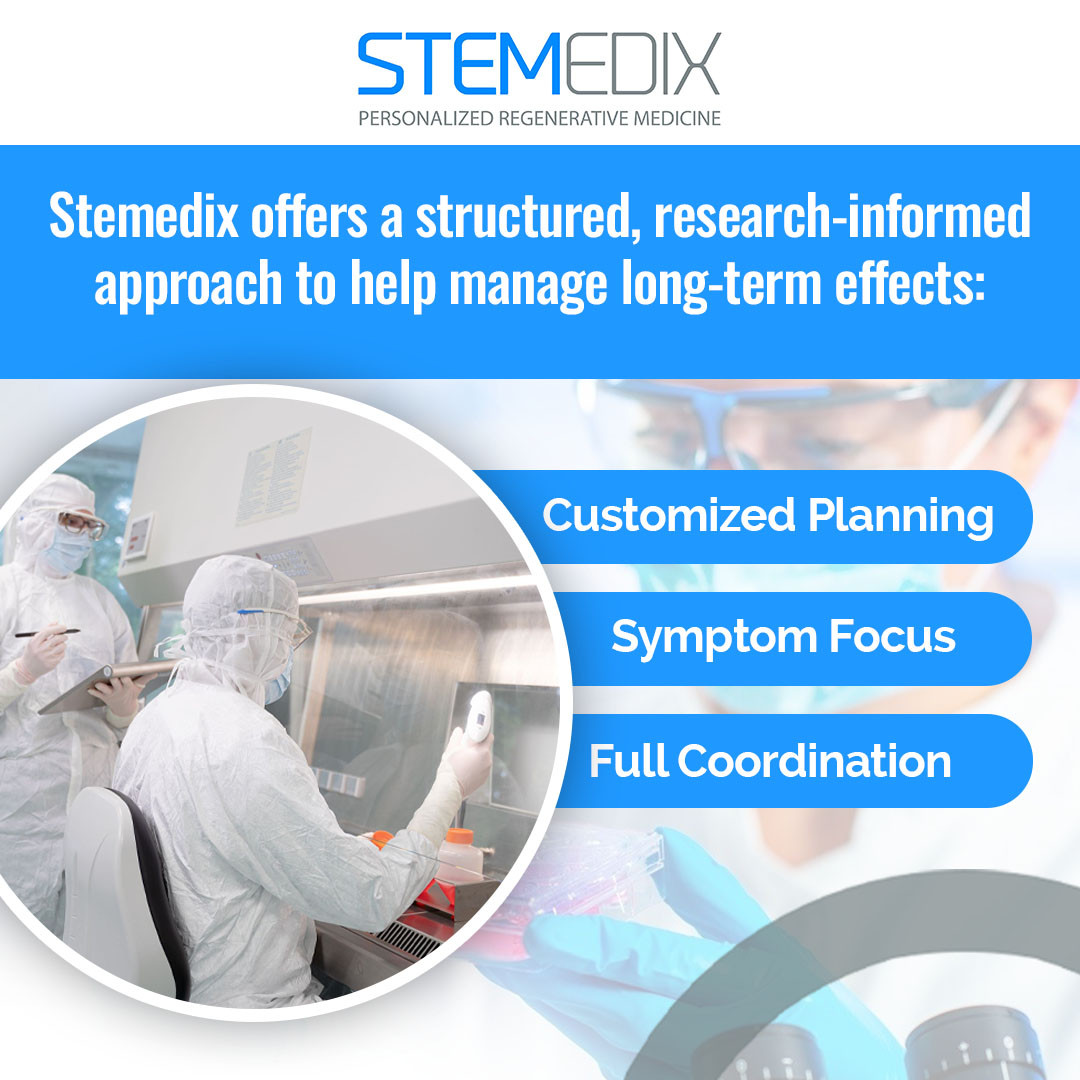
Stemedix provides structured access to regenerative medicine for patients with diagnosed traumatic brain injury. The clinic focuses on coordinating care, reviewing medical records, and supporting patient participation in research-informed therapies.
Coordination of Care and Record Collection
-
Record review assistance – Organizes and submits blood work, MRI, and physician notes for evaluation
-
Care coordination – Guides patients through appointments and follow-up steps
-
Ongoing communication – Offers continuous support and responses to patient inquiries
Support Services for Patients Traveling to Saint Petersburg, FL
-
Transportation coordination – Arranges ground transportation, including airport transfers
-
Mobility assistance devices – Provides wheelchairs, walkers, or other aids
-
Scheduling support – Coordinates appointments and therapy sessions
These services are tailored to meet individual needs and allow patients to focus on their therapy journey.

About Stemedix
Stemedix, headquartered in Saint Petersburg, FL, has over a decade of experience in regenerative medicine. The clinic collaborates with patients, providing access to research-informed therapies, personalized care coordination, and logistical support for travel and treatment. Stemedix works with patients who already have a diagnosis and focuses on therapies studied for symptom management and functional support.
For more information about regenerative medicine and stem cell therapy for TBI, contact Stemedix at (727) 456-8968 or email yourjourney@stemedix.com.

Contact Information:
Stemedix
Bayfront Medical Plaza 601 7th Street S. Suite 565
Saint Petersburg, FL 33701
United States
Fred Palmer
https://stemedix.com/
Original Source: https://stemedix.com/understanding-long-term-effects-of-traumatic-brain-injury-and-how-regenerative-medicine-can-help/
