
Electric Toothbrushes Show Measurable Benefits for Plaque Removal and Gum Health, According to Ridgetop Dental
Alexandria, United States – February 9, 2026 / Ridgetop Dental /
Summary:
Ridgetop Dental highlights that electric toothbrushes can significantly improve daily oral hygiene by providing more consistent plaque removal than manual brushing. Dentists note that built-in timers, pressure sensors, and oscillating brush heads help patients brush longer, more gently, and more effectively, especially along the gumline. When used correctly, electric toothbrushes may reduce gum inflammation, lower the risk of cavities, and support long-term oral health for patients of all ages.
Virginia — Ridgetop Dental reports that electric toothbrushes continue to outperform manual toothbrushes in plaque removal and gum health outcomes, particularly for patients who struggle with brushing consistency, gum inflammation, or early signs of periodontal disease. Clinical observations and published research show that powered brushing improves daily hygiene by reducing user error and improving coverage along the gumline.
Dental professionals note that brushing effectiveness depends less on effort and more on technique and consistency. Electric toothbrushes automate much of the brushing motion, helping patients clean more evenly and thoroughly with less pressure.
Why Electric Toothbrushes Improve Daily Brushing Results
According to clinicians at Ridgetop Dental, the primary advantage of electric toothbrushes is not force but control. Powered brush heads deliver thousands of small, controlled movements per minute, allowing plaque to be removed from areas that are commonly missed with manual brushing, especially near the gumline.
“Electric toothbrushes give patients more control over how they clean their teeth, not more force,” said Dr. R. Shaw, DDS, with Ridgetop Dental. “The powered motion helps remove plaque consistently along the gumline while reducing the risk of damage caused by aggressive brushing, which we commonly see with manual toothbrushes.”
In routine exams, patients who switch to electric toothbrushes often show reduced plaque buildup, less gum inflammation, and fewer signs of enamel wear caused by aggressive scrubbing. Many also report greater confidence in their brushing routine due to built-in timers and pressure sensors.
Electric toothbrushes are particularly helpful for patients who rush through brushing, apply excessive pressure, have dental restorations, orthodontic appliances, or limited hand mobility.
Manual and Electric Toothbrushes Compared in Real-World Use
Manual toothbrushes can be effective when used with proper technique, gentle pressure, and sufficient brushing time. However, dental providers observe that many patients brush too quickly, press too hard, or miss critical areas along the gumline.
Electric toothbrushes reduce these variables by maintaining consistent motion and encouraging full two-minute brushing sessions. While neither option replaces flossing or professional cleanings, powered brushing tends to produce more reliable results in everyday use.
Differences Among Electric Toothbrush Types
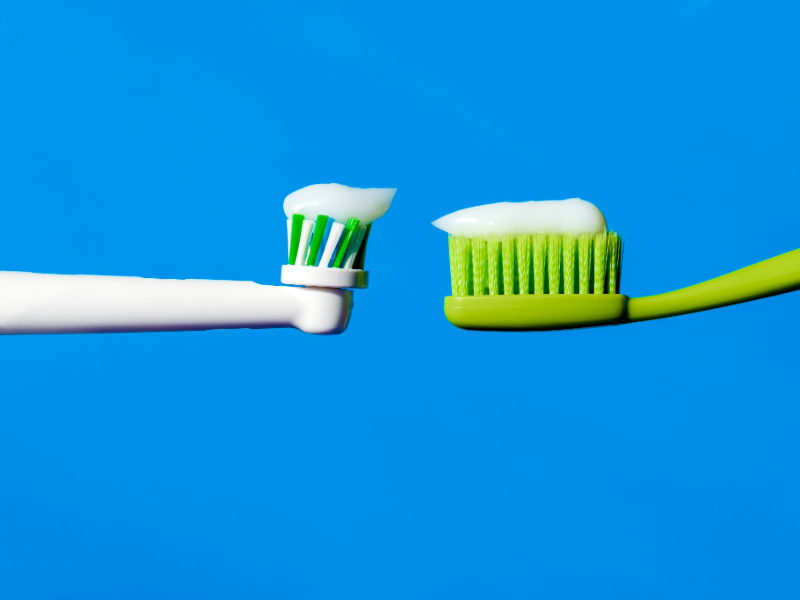
Not all electric toothbrushes function the same way. Dental professionals generally categorize effective models into two groups: oscillating-rotating brushes and sonic brushes.
Oscillating-rotating brushes use small, round heads that rotate and pulse, making them effective for plaque removal and gum disease prevention. Sonic brushes rely on high-speed vibrations that clean through both direct contact and fluid movement, offering a gentler experience for patients with sensitivity.
Clinicians emphasize that the most effective toothbrush is one the patient will use consistently. Features such as pressure sensors and timers typically provide more benefit than advanced app connectivity or premium pricing.
Safety and Long-Term Enamel Protection
When used correctly, electric toothbrushes are considered safe and may help prevent long-term enamel damage. Most brushing-related wear observed in dental offices is linked to years of excessive force with manual toothbrushes.
Modern electric toothbrushes often include pressure alerts that reduce the risk of overbrushing. Maintaining proper technique and replacing worn brush heads on schedule are key factors in protecting tooth enamel and gum tissue.
Brush Head Replacement and Hygiene Standards
Dental providers recommend replacing electric toothbrush heads every three months, or sooner if bristles appear worn. Frayed bristles clean less effectively and can irritate the gums, even if brushing habits remain unchanged.
Regular replacement ensures consistent plaque removal and reduces unnecessary gum irritation.
Electric Toothbrushes and Gum Disease Prevention
Plaque accumulation at the gumline is the primary driver of gingivitis and periodontal disease. Studies consistently show that powered toothbrushes remove more plaque than manual brushes, even after a single brushing session.
Improved plaque control leads to reduced inflammation, less bleeding, and firmer gum tissue over time. Electric toothbrushes are especially beneficial for patients with early gum disease, gum recession, or a history of inflammation.
Patient Experiences Reflect Improved Comfort and Confidence
Patients frequently report easier brushing routines and improved comfort after switching to electric toothbrushes. Dental teams note that consistent home care often translates into cleaner checkups and more stable gum health between visits.
“Most brushing problems we see are not caused by the wrong toothbrush, but by inconsistency and excess pressure,” said Dr. R. Shaw, DDS, with Ridgetop Dental. “Electric toothbrushes help patients clean more evenly and reduce common mistakes that lead to plaque buildup and gum irritation.”
Common Clinical Findings Related to Electric Toothbrush Use
Dental providers note several consistent patterns among patients who use electric toothbrushes properly:
- Reduced gum bleeding and inflammation
- Improved plaque control at the gumline
- Lower incidence of brushing-related enamel wear
- Increased brushing consistency due to built-in timers
These outcomes contribute to improved long-term oral health and may reduce the need for restorative treatment over time.
About Ridgetop Dental
Ridgetop Dental provides comprehensive dental care with an emphasis on patient education, preventive services, and long-term oral health. The practice is guided by its TEAM I.M.P.A.C.T. core values, including teamwork, integrity, accountability, trust, and continuous growth, which shape how care is delivered and how patients are supported throughout their treatment experience.
The practice offers a full range of general, restorative, cosmetic, and advanced dental services, using modern technology and personalized treatment planning to address both immediate concerns and underlying oral health needs. Ridgetop Dental focuses on building long-term relationships with patients through clear communication, comfort-first care, and consistent clinical standards across all locations.
Ridgetop Dental is also committed to community engagement and social responsibility, including partnerships that provide access to dental care for underserved children and participation in local health initiatives across Northern Virginia.
Contact:
Ridgetop Dental
Serving Alexandria, Reston, and Sterling, VA
https://ridgetopdental.com

Contact Information:
Ridgetop Dental
6481 Old Beulah St
Alexandria, VA 22315
United States
Datta Malyavantham
(703) 997-6073
https://ridgetopdental.com/alexandria


