
Gentle Root Canal Care in Lakewood Ranch Brings Comfort Back to Dental Patients
Bradenton, United States – March 5, 2026 / Paradise Dental /
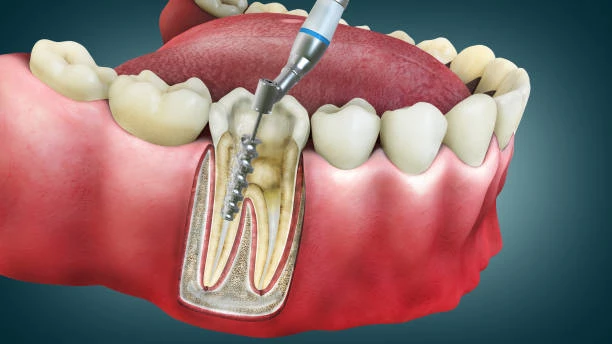 Tooth pain has a way of ruining everything. One minute you are fine, and the next, that deep throbbing ache is all you can focus on. For many people in Lakewood Ranch, the words “root canal” still spark worry, even though dental care has changed a lot.
Today’s root canals are designed to stop pain, not add to it. With gentle techniques, better tools, and a strong focus on comfort, this treatment is now one of the most effective ways to save a tooth and feel like yourself again. Relief is closer and easier than most people expect.
Do root canals hurt, and how is pain managed during the procedure?
This is the most common question patients ask, and the short answer is no, root canals do not hurt the way people expect. In fact, most patients feel relief during and after the procedure because the source of the pain is being removed.
Modern pain management includes several layers of comfort:
-
Local anesthesia to fully numb the area
-
Gentle numbing techniques to reduce injection discomfort
-
Advanced tools that minimize pressure and vibration
-
Calm pacing with breaks as needed
-
Clear communication throughout the procedure
-
Options for sedation for anxious patients
Dentists take time to ensure patients are fully comfortable before starting. The goal is not speed, but precision and calm. Many patients are surprised to find that a root canal feels similar to getting a filling, just longer.
Pain after the procedure is usually mild and temporary. Over-the-counter medication is often enough to manage it. The throbbing pain that brought patients in is typically gone within a day or two. What once had a reputation for being scary is now one of the most effective ways to stop tooth pain in its tracks.
How do I know if I need a root canal for severe tooth pain?
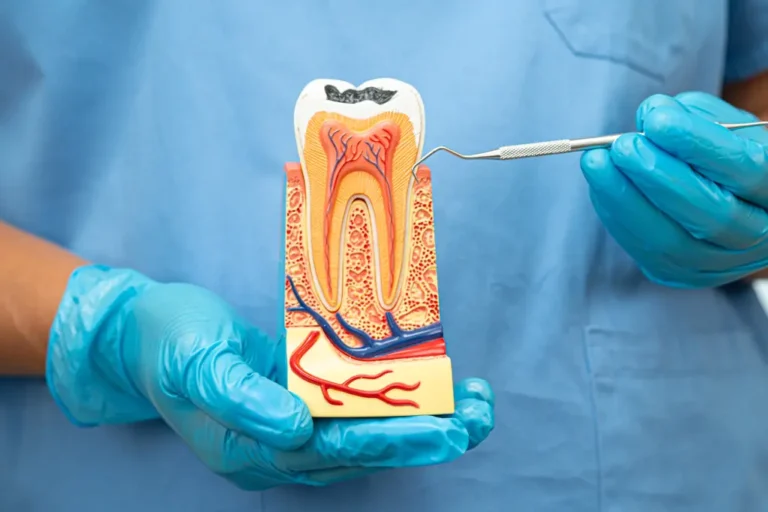
Severe tooth pain is the biggest warning sign, but it is not the only one. A root canal is needed when the inner pulp of the tooth becomes infected or inflamed, often due to decay, cracks, or trauma.
Common signs that may indicate a root canal is necessary include:
-
Persistent or throbbing tooth pain
-
Sensitivity to hot or cold that lingers
-
Swelling in the gums near the tooth
-
Pain when biting or chewing
-
Darkening or discoloration of the tooth
-
A pimple-like bump on the gums
Not every toothache means a root canal, which is why professional evaluation matters. Dentists use digital imaging and thorough exams to identify the source of pain. Catching the problem early can sometimes prevent infection from spreading and reduce overall treatment time.
Ignoring symptoms often makes things worse. Infection does not resolve on its own, and waiting can lead to more complex procedures or even tooth loss. Seeking care early helps preserve the natural tooth and reduces discomfort overall.
 What makes a gentle root canal different from a traditional root canal?
A gentle root canal is less about reinventing the procedure and more about refining how it is delivered. The focus is on patient comfort, communication, and precision at every step.
Key differences often include:
-
Smaller, more precise instruments
-
Digital imaging for accurate diagnosis
-
Reduced drilling and pressure
-
Patient-controlled pacing and breaks
-
Noise-reducing equipment
-
Emphasis on comfort before, during, and after
Dentists who prioritize gentle care take time to explain what is happening and what to expect. This reduces fear and helps patients feel in control. Techniques are adjusted based on individual comfort levels rather than a one-size-fits-all approach.
Gentle root canals also emphasize preservation. The goal is to remove only what is necessary while protecting as much healthy tooth structure as possible. For patients who have delayed treatment due to fear, this approach can be a turning point that restores trust in dental care.
How long does it take to recover after a root canal procedure?
Recovery after a root canal is usually straightforward and easier than most patients expect. Many return to normal activities the same day or the following day with minimal disruption.
Typical recovery experiences include:
-
Mild soreness for one to three days
-
Temporary sensitivity when chewing
-
Gradual improvement each day
-
Normal eating once numbness wears off
-
Follow-up visit for a permanent crown if needed
Most discomfort comes from inflammation around the treated tooth rather than the tooth itself. This fades quickly as the area heals. Dentists often recommend avoiding chewing on the treated side for a short time until the tooth is fully restored.
Proper aftercare plays a big role in smooth recovery. Patients are encouraged to maintain good oral hygiene, follow medication instructions, and attend any follow-up appointments. When done properly, a root canal can last a lifetime and eliminate the need for extraction.
Gentle Care That Puts Patients at Ease
Root canal treatment does not have to be something patients fear or delay. In Lakewood Ranch, modern dentistry focuses on comfort, clarity, and results that genuinely improve quality of life. Paradise Dental provides patient-centered root canal care designed to ease anxiety and eliminate pain.
With a calm approach, advanced techniques, and clear communication, they help patients move from constant discomfort to lasting relief. Their team believes dental care should feel supportive, not stressful, and they are committed to making every visit as comfortable and reassuring as possible.

Contact Information:
Paradise Dental
1711 Lakewood Ranch Blvd Bradenton, FL 34211
Bradenton, FL 34211
United States
Dr. Jeffrey Martins
(941) 744-1226
https://www.paradisedentalsmiles.com/


